
For many people around the world, the idea of retiring somewhere warm, affordable, and beautiful feels like a distant dream. For a growing number of expats, however, retiring in the Dominican Republic has become a very real — and increasingly popular — decision. With its Caribbean climate, low cost of living, welcoming communities, and straightforward residency options, the DR offers retirees a quality of life that’s hard to match elsewhere. Here’s everything you need to know before making the move.

Why the Dominican Republic Is a Top Retirement Destination
Climate, Lifestyle, and Quality of Life
The Dominican Republic enjoys warm, tropical weather year-round, with average temperatures between 25°C and 30°C. For retirees escaping cold winters or gray skies, this alone is a compelling reason to consider retiring in the Dominican Republic as an expat. Beyond the weather, the country offers stunning beaches, lush mountains, vibrant local culture, and a pace of life that naturally invites relaxation.
Infrastructure in key expat areas has improved significantly in recent years, with modern supermarkets, reliable internet, international restaurants, and good road connections making day-to-day life genuinely comfortable.
A Welcoming Expat Community
One of the biggest concerns for anyone moving abroad is whether they’ll feel at home. In the Dominican Republic — and especially in destinations like Las Terrenas — the expat community is large, diverse, and well-established. Retirees from France, the United States, Canada, Italy, and Germany have built roots here over decades, creating a social environment where it’s easy to connect, find support, and build a new social life even without speaking Spanish fluently.
Cost of Living for Retired Expats in the Dominican Republic
Housing Costs: Rent vs. Buying
Housing is one of the most significant advantages for expats retiring in the Dominican Republic. A comfortable one-bedroom apartment in a tourist area can be rented for $500–$900 USD per month, while a two or three-bedroom villa with a pool can range from $1,200 to $2,500 depending on location and amenities. For those looking to buy, the market offers solid options at prices well below comparable Caribbean or European destinations.
Healthcare, Groceries, and Daily Expenses
A retired couple can live comfortably in the Dominican Republic on $2,000–$3,000 USD per month, covering housing, food, transportation, and leisure. Groceries at local markets are affordable, and dining out — even at good restaurants — is significantly cheaper than in North America or Western Europe. Utilities, including electricity and water, are a monthly consideration, though solar panels (already popular in the expat community) can dramatically reduce energy costs.
Residency Options for Retirees
The Rentista Visa: What It Is and Who Qualifies
The Dominican Republic offers a specific residency category for retirees known as the Rentista visa, designed for foreigners who can demonstrate a stable passive income — typically a pension, retirement fund, or investment income. The minimum income requirement is generally around $1,500 USD per month, though this can vary. This makes retiring in the Dominican Republic accessible to a wide range of expats with moderate pension income.
Step-by-Step Process to Obtain Retirement Residency
The process involves gathering documents such as a valid passport, proof of income, a clean criminal record, a medical certificate, and a birth certificate — all apostilled and translated into Spanish. These are submitted through the Dominican immigration authority (Dirección General de Migración). Most expats complete the process within 3–6 months, often with the help of a local attorney. Permanent residency can be obtained after two years of provisional residency.
Best Places to Retire in the Dominican Republic
Las Terrenas: The Expat Favorite on the Samaná Peninsula
Ask most expats where they’d recommend retiring in the Dominican Republic, and Las Terrenas comes up again and again. This beachside town on the Samaná Peninsula blends European sophistication with Caribbean charm, offering international schools, excellent restaurants, modern medical clinics, and some of the most beautiful beaches in the country. The expat community here is particularly active, with social clubs, markets, and events that make integration easy and enjoyable.
Other Popular Destinations
Beyond Las Terrenas, expats often consider Santo Domingo for its urban amenities and access to top-tier private healthcare, Cabarete for its active, outdoorsy lifestyle, and Punta Cana for its resort infrastructure and direct international flight connections. Each destination has its own personality — the right choice depends on your lifestyle priorities.
Healthcare for Expat Retirees
Public vs. Private Healthcare
While the public healthcare system in the Dominican Republic has limitations, the private healthcare sector is well-developed in major cities and expat hubs. Private hospitals and clinics in Santo Domingo and Santiago offer high-quality care at a fraction of the cost of the United States. In Las Terrenas, there are several reliable private clinics for routine care, with referral options to larger facilities when needed.
International Health Insurance Options
Most expats retiring in the Dominican Republic opt for international private health insurance rather than relying on the public system. Plans vary widely in coverage and cost, but a comprehensive policy for a healthy retiree can typically be found for $150–$400 USD per month depending on age and coverage level. This is a critical investment for peace of mind and access to quality care.
Things to Consider Before Retiring in the Dominican Republic
Language Barrier and Cultural Adaptation
Spanish is the official language of the Dominican Republic, and while many people in tourist and expat areas speak English or French, learning basic Spanish will significantly improve your daily experience and help you integrate into the local community. Language classes are widely available, and most expats find that even a modest effort goes a long way in building relationships with locals.
Banking, Taxes, and Pension Income Abroad
Opening a local bank account as a foreigner requires residency documentation and can take some patience. Many expats maintain accounts in their home country and transfer funds monthly. On the tax side, the Dominican Republic does not tax foreign-sourced income for residents, which is a significant advantage for retirees living off a pension abroad. However, it’s worth consulting a tax advisor familiar with both your home country’s rules and Dominican law before making the move.
How All Project Group Can Help You Settle In
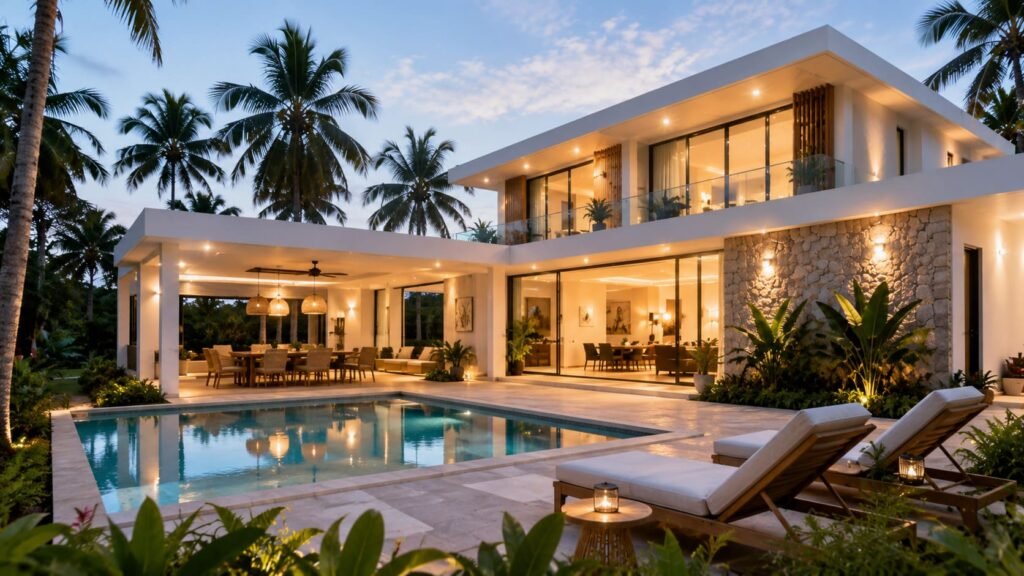
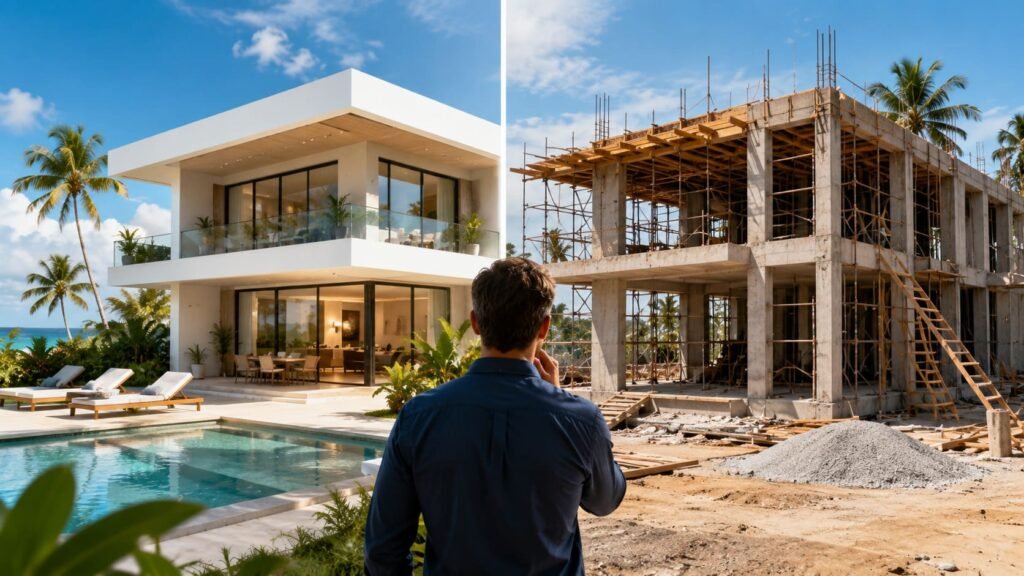
Finding the right home is often the first and most important step when retiring in the Dominican Republic as an expat. Whether you’re looking for a ready-to-move-in villa, a condo near the beach, or land to build your dream retirement home, All Project Group offers end-to-end support across real estate search, architecture, and construction on the Samaná Peninsula. Our team understands what expat retirees need — and we’re here to make the transition as smooth as possible.
Conclusion
Retiring in the Dominican Republic offers expats a rare combination of affordability, natural beauty, warm climate, and a genuine sense of community. With accessible residency options, a growing expat network, and destinations like Las Terrenas that cater perfectly to international retirees, the DR deserves a top spot on any retirement shortlist. If you’re ready to explore what life in the Caribbean could look like, the right team on the ground can help you make it happen.