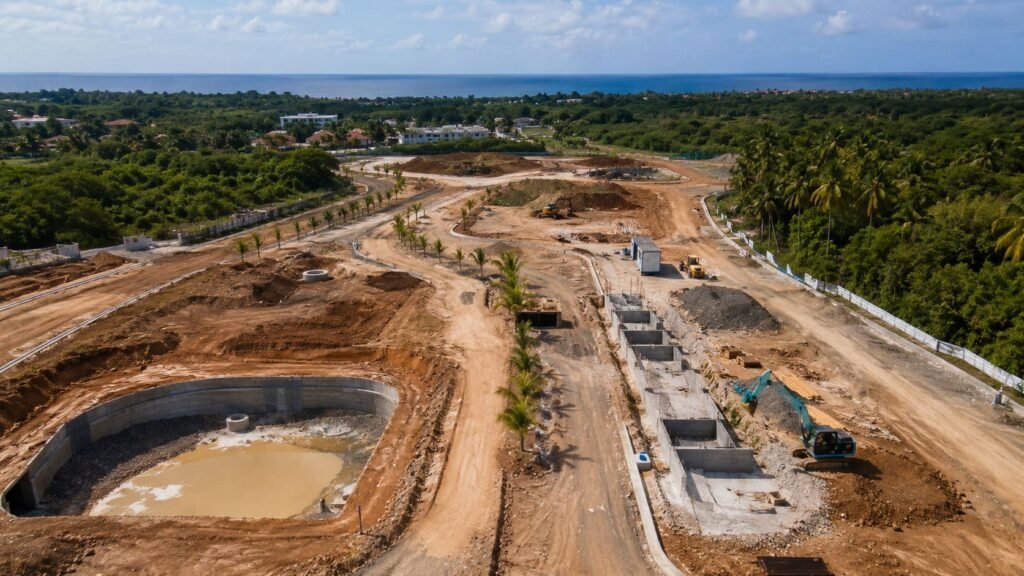

The Dominican Republic has long attracted expats for its beaches, lifestyle, and affordable cost of living. But increasingly, a new wave of foreigners is arriving with a different goal in mind: starting a business in the Dominican Republic as an expat. Whether you’re launching a boutique hotel, a real estate venture, a consulting firm, or a remote service company, the DR offers a surprisingly accessible and business-friendly environment for foreign entrepreneurs. Here’s everything you need to know before taking the leap.

Why Expats Are Choosing the DR to Start a Business
Economic Stability and Growth Opportunities
The Dominican Republic is one of the fastest-growing economies in Latin America and the Caribbean, with consistent GDP growth driven by tourism, construction, and foreign investment. For expats starting a business in the Dominican Republic, this macroeconomic backdrop translates into real opportunity — a growing middle class, increasing tourist arrivals, and strong demand for quality services across multiple sectors.
The government has actively worked to attract foreign investment through tax incentive programs, free trade zones, and streamlined business registration processes, making the environment more welcoming than many other Caribbean or Latin American markets.
Strategic Location and Tourism-Driven Demand
Located at the crossroads of North America, South America, and Europe, the Dominican Republic benefits from excellent air connectivity and a tourism industry that welcomed over 10 million visitors in recent years. For expats starting a business in the Dominican Republic, this means a built-in customer base — particularly in hospitality, real estate, wellness, food and beverage, and professional services catering to both tourists and the resident expat community.
Can Foreigners Own a Business in the Dominican Republic?
Legal Framework for Foreign Business Owners
The short answer is yes — foreigners have the same rights as Dominican nationals when it comes to business ownership. The Dominican Republic’s constitution and commercial code explicitly allow 100% foreign ownership of companies, with no mandatory local partner requirement in most sectors. This is a significant advantage compared to many other countries in the region where foreign ownership is capped or restricted.
Starting a business in the Dominican Republic as an expat is governed primarily by the Commercial Companies Law, which establishes the legal structures available, registration requirements, and operating obligations for both local and foreign-owned businesses.
Ownership Rights: What Expats Need to Know
Foreign business owners enjoy the same legal protections as local entrepreneurs, including the right to repatriate profits and capital freely. There are no currency controls that would prevent you from moving your earnings abroad, which is a key consideration for expats running international operations or serving clients outside the DR. That said, having legal residency — or at minimum a solid understanding of your visa status — is important before committing to a business registration.
Most Popular Business Types Among Expats
Real Estate, Hospitality, and Tourism
These are by far the most common sectors for expats starting a business in the Dominican Republic. From boutique hotels and vacation rental management companies to real estate agencies and property development firms, the tourism-driven economy creates constant demand. In destinations like Las Terrenas, foreign-owned businesses in hospitality and real estate are a cornerstone of the local economy.
Construction, Services, and Retail
Architecture firms, construction management companies, interior design studios, and specialty retail shops are also popular among expat entrepreneurs. The construction boom across the Samaná Peninsula and other tourist areas has created strong demand for qualified professionals and service providers that understand both international standards and local conditions.
Remote Businesses and Freelancing
A growing number of expats choose to register a company in the Dominican Republic while operating a fully remote business serving international clients. Starting a business in the Dominican Republic as an expat in this model offers the best of both worlds: Caribbean lifestyle with a global income stream. Consulting, marketing, software development, and creative services are common examples.
Step-by-Step: How to Register a Business in the Dominican Republic
Choosing the Right Legal Structure
The two most common legal structures for expats are:
- SRL (Sociedad de Responsabilidad Limitada): The Dominican equivalent of an LLC. Ideal for small to medium businesses, requires a minimum of 2 shareholders and offers limited liability protection. Minimum capital requirement is relatively low, making it the most popular choice for expats starting a business in the Dominican Republic.
- SA (Sociedad Anónima): The equivalent of a corporation. Better suited for larger operations, requires a minimum of 7 shareholders and higher minimum capital. Used for projects with multiple investors or those planning to raise capital.
For most expat entrepreneurs, the SRL is the right starting point — it’s flexible, affordable to set up, and widely understood by local banks and authorities.
Required Documents and Registration Process
The registration process involves the following key steps:
- Reserve your company name at the Oficina Nacional de la Propiedad Industrial (ONAPI)
- Draft and notarize your company statutes with a local attorney
- Register at the Registro Mercantil (Chamber of Commerce)
- Obtain your RNC (tax identification number) from the DGII (Dominican tax authority)
- Register with the Ministry of Labor if hiring employees
- Open a business bank account
Estimated Costs and Timelines
The total cost of starting a business in the Dominican Republic as an expat through formal registration typically ranges from $800 to $2,500 USD depending on legal fees, notary costs, and the complexity of your structure. The process can be completed in 4 to 8 weeks when working with an experienced local attorney, which is strongly recommended to avoid delays and ensure compliance.
Taxes and Financial Considerations for Expat Business Owners
Corporate Tax Rates and Obligations
Companies operating in the Dominican Republic are subject to a corporate income tax rate of 27% on net profits. VAT (known locally as ITBIS) is set at 18% and applies to most goods and services. Businesses must file monthly tax returns and maintain proper accounting records — a task best handled by a local accountant familiar with DGII requirements.
It’s worth noting that certain sectors — particularly tourism-related businesses — may qualify for significant tax exemptions under Law 158-01, which was designed specifically to incentivize investment in tourism infrastructure. If you’re starting a business in the Dominican Republic as an expat in hospitality or related fields, exploring these incentives with a local advisor is highly recommended.
Opening a Business Bank Account as a Foreigner
Banking is one of the more challenging steps for expats. Dominican banks require extensive documentation for foreign-owned companies, including proof of legal residency, notarized company documents, and in some cases, reference letters. The process can take several weeks. Popular banks among the expat business community include Banco Popular, Banreservas, and Scotiabank DR, all of which have experience working with foreign clients.
Common Challenges and How to Avoid Them
Navigating Bureaucracy
Like many Latin American countries, the Dominican Republic has a bureaucratic culture that can feel slow and opaque to newcomers. Permits, registrations, and approvals often take longer than expected, and requirements can vary depending on the office or official you’re dealing with. The most effective solution is working with a trusted local attorney and accountant from day one — professionals who know the system and can navigate it efficiently on your behalf.
Finding Reliable Local Partners and Staff
Building a reliable local team is one of the most important — and sometimes most difficult — aspects of starting a business in the Dominican Republic as an expat. The labor market varies significantly by region and sector. In expat-heavy areas like Las Terrenas, finding bilingual, experienced staff is easier than in more remote locations. Taking time to build genuine relationships with local professionals and business owners will serve you far better than rushing the hiring process.
Las Terrenas as a Base for Your Business
If you’re considering where in the Dominican Republic to base your venture, Las Terrenas deserves serious attention. The town offers a well-established expat business community, strong tourist footfall, modern infrastructure, reliable internet, and proximity to El Catey International Airport. It’s a place where expats starting a business in the Dominican Republic have built successful operations across a wide range of sectors — and where the community actively supports new entrepreneurs.
All Project Group has deep roots in Las Terrenas and the broader Samaná Peninsula. Whether you’re looking to invest in real estate, develop a property, or establish a physical base for your business, our team can connect you with the right local resources, legal contacts, and opportunities to hit the ground running.
👉 Explore how we can help at allprojectgroup.com
Conclusion
Starting a business in the Dominican Republic as an expat is more accessible than most people expect. With 100% foreign ownership rights, a growing economy, strong tourism demand, and destinations like Las Terrenas that offer genuine quality of life, the DR is a legitimate and compelling choice for foreign entrepreneurs. The keys to success are the same anywhere: solid legal groundwork, reliable local partners, and a clear understanding of the market you’re entering. Get those right, and the Dominican Republic can be the launchpad for something exceptional.