
Developing a condominium project is a complex process that goes far beyond construction. It involves planning, legal structuring, design, budgeting, permits, and execution, all working together to deliver a viable and successful real estate development. Understanding the Condo Development Stages is essential for investors, developers, and property owners who want to minimize risk and maximize long-term value.
Unlike single-family homes, condominium developments require a higher level of coordination. Each phase must be carefully aligned with market demand, regulatory requirements, and construction feasibility. From the first evaluation of the land to the final delivery of the units, the Condo Development Stages define the success or failure of the project.
This guide explains each phase in detail, helping you understand how a condominium project evolves from concept to completion.
Land analysis and project feasibility
The first step in the Condo Development Stages is evaluating whether a piece of land is suitable for a condominium project.
This phase includes analyzing location, access, infrastructure, and topography. Developers must determine whether the land can support the type of project they intend to build, including density, height, and overall design potential.
Feasibility also involves understanding market demand. A project must align with buyer expectations, whether it targets vacation rentals, second homes, or long-term residents.
At this stage, overlooking key factors such as drainage, slope, or accessibility can lead to major issues later. For this reason, land analysis is one of the most critical Condo Development Stages.
Legal review and development strategy
Once the land is identified, the next step in the Condo Development Stages is conducting a thorough legal review and defining the development strategy.
This includes verifying property ownership, confirming boundaries, and ensuring there are no legal restrictions that could affect the project. Developers must also decide how the project will be structured, including ownership models and sales strategy.
A clear development plan helps define the target market, pricing strategy, and timeline. Without proper legal and strategic planning, even well-designed projects can face delays or complications.
This phase ensures that the foundation of the Condo Development Stages is secure before moving into design and planning.
Architectural concept and project planning
Design plays a central role in the Condo Development Stages. The architectural concept determines not only the appearance of the project but also its functionality and efficiency.
Key considerations include unit layouts, circulation, common areas, parking, and amenities. In tropical locations, design must also respond to climate conditions, incorporating natural ventilation, shading, and durable materials.
An efficient design reduces construction costs and improves the long-term performance of the building. It also enhances the marketability of the project by creating attractive and functional living spaces.
This phase connects vision with feasibility and is one of the most defining Condo Development Stages.
Budgeting and financial planning
Financial planning is a critical component of the Condo Development Stages. A detailed budget must account for all aspects of the project, including construction costs, design fees, permits, infrastructure, and contingencies.
Developers must also consider the timeline of expenses and expected revenue from sales. Cash flow planning is essential to ensure that the project can progress without interruptions.
Hidden costs, such as site preparation or infrastructure upgrades, can significantly impact the final budget if not identified early.
A realistic financial plan strengthens decision-making throughout the Condo Development Stages and helps prevent costly mistakes.
Permits and regulatory approvals
Obtaining permits is one of the most important Condo Development Stages. Before construction can begin, the project must comply with local and national regulations.
This process typically includes submitting architectural plans, engineering documents, and technical studies for approval. Depending on the project, environmental permits may also be required.
Delays in permitting can affect the entire timeline, making it essential to plan this phase carefully. Starting construction without proper approvals can result in fines, delays, or legal issues.
For this reason, regulatory compliance is a fundamental part of the Condo Development Stages.
Pre-construction and site preparation
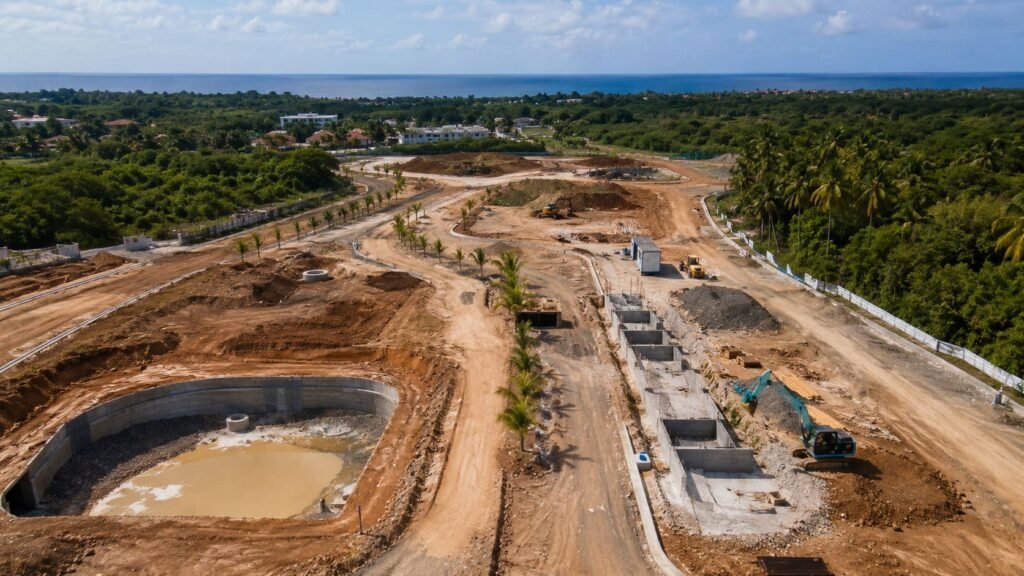
Once permits are approved, the project moves into pre-construction. This stage in the Condo Development Stages involves preparing the site and organizing logistics for the construction phase.
Activities may include land clearing, surveys, temporary infrastructure, and procurement planning. Coordination with contractors and suppliers is also essential to ensure that materials and labor are available when needed.
Proper planning during pre-construction helps avoid delays and improves efficiency during the building phase.
This stage marks the transition from planning to execution within the Condo Development Stages.
Construction phase
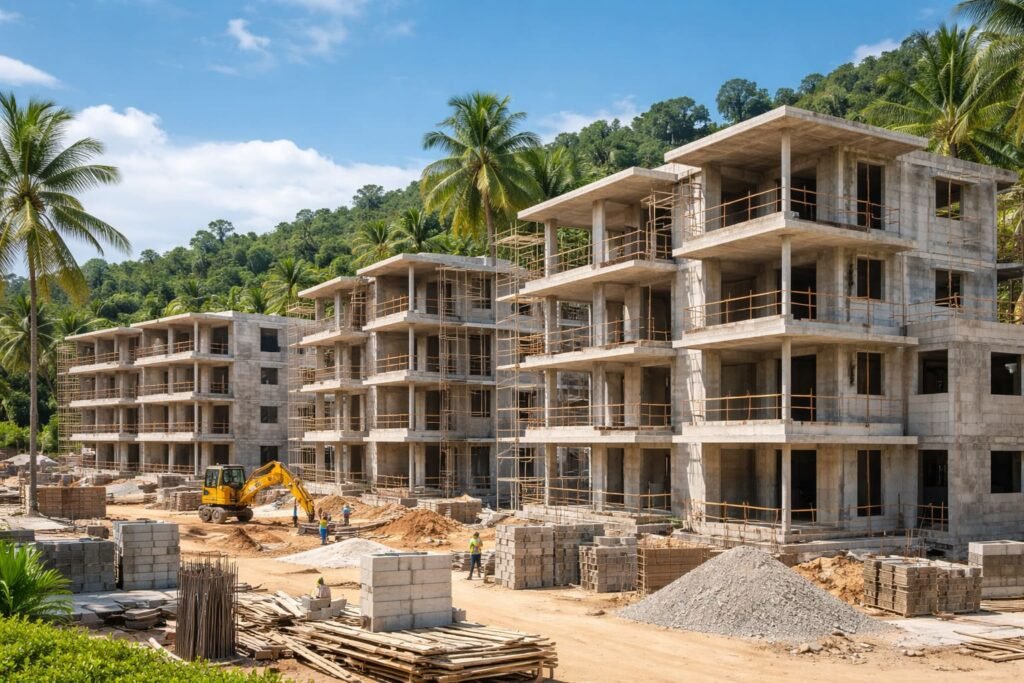
The construction phase is the most visible part of the Condo Development Stages, but it is only one component of the overall process.
This phase includes structural work, installation of building systems, and completion of interior and exterior finishes. In condominium projects, construction must also address common areas, amenities, and infrastructure.
Quality control is essential during this stage. Regular inspections ensure that work meets design specifications and safety standards.
Coordination between different teams is critical, as delays in one area can affect the entire project timeline. Efficient management during construction is key to maintaining progress through the Condo Development Stages.
Sales, pre-delivery, and final handover
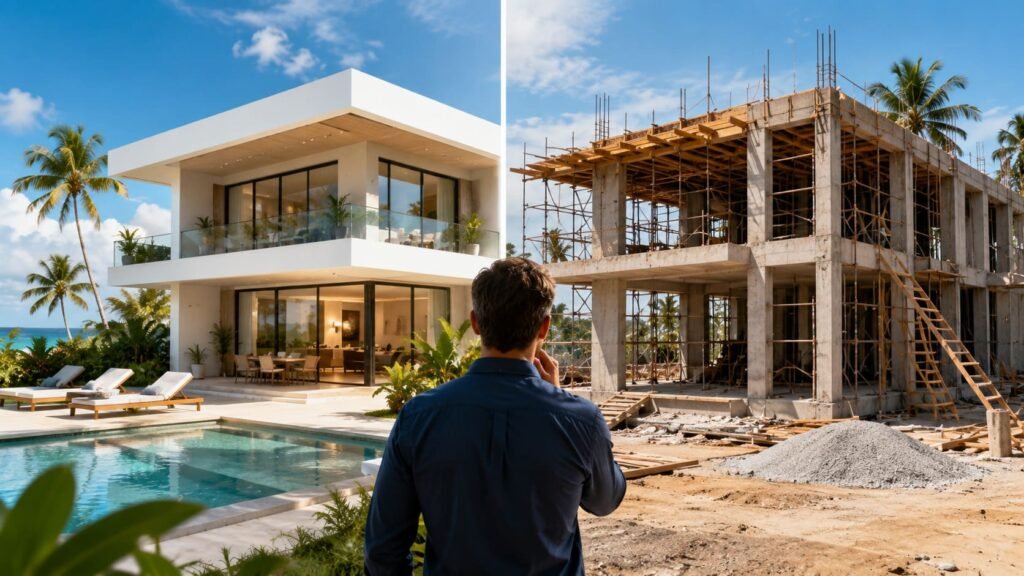
The final stage of the Condo Development Stages involves preparing the project for delivery to buyers.
This includes final inspections, correction of minor issues, and completion of common areas. Units are reviewed to ensure they meet quality standards before being handed over to owners.
In many cases, sales begin before construction is completed. Pre-sales strategies help finance the project and validate market demand.
The project is only considered complete once all units are delivered and the development is fully operational. This final phase ensures that the Condo Development Stages conclude successfully.
Common mistakes in condo development
Even experienced developers can make mistakes during the Condo Development Stages. Understanding these risks helps improve project outcomes.
Common issues include selecting land without verifying feasibility, underestimating infrastructure costs, and failing to plan permits properly. Poor design decisions can also reduce efficiency and increase construction costs.
Another frequent mistake is unrealistic budgeting. Without a clear financial plan, projects may face delays or funding challenges.
Avoiding these pitfalls is essential for navigating the Condo Development Stages effectively and delivering a successful project.
Final thoughts
Developing a condominium project requires more than construction expertise. It demands coordination between design, legal planning, budgeting, and execution.
By understanding the Condo Development Stages, developers and investors can make better decisions and reduce risk throughout the process. Each phase plays a critical role in ensuring that the project is completed on time, within budget, and aligned with market expectations.
In growing markets like Las Terrenas, well-planned condominium developments offer strong opportunities for both investors and buyers.
If you are exploring opportunities in the region, you can discover current projects developed by All Project Group and learn more about their approach to architecture, construction, and real estate development by visiting the main website, where you can explore their active developments and ongoing projects.