
Artificial intelligence is no longer a futuristic promise in architecture. Today it is an active part of the creative process, transforming the way projects are conceived, ideas are communicated and decisions are made from the earliest stages of design.
Far from replacing the architect, AI has become an amplifier of creative thinking. It functions as a cognitive extension that enables more alternatives to be explored in less time, diverse scenarios to be evaluated and solutions to be visualized more clearly from the outset.

AI as a creative accelerator
Traditionally, the pre-project phase was slow, iterative and largely abstract. Sketches, initial renderings and conceptual models required time and resources before arriving at a clear proposal.
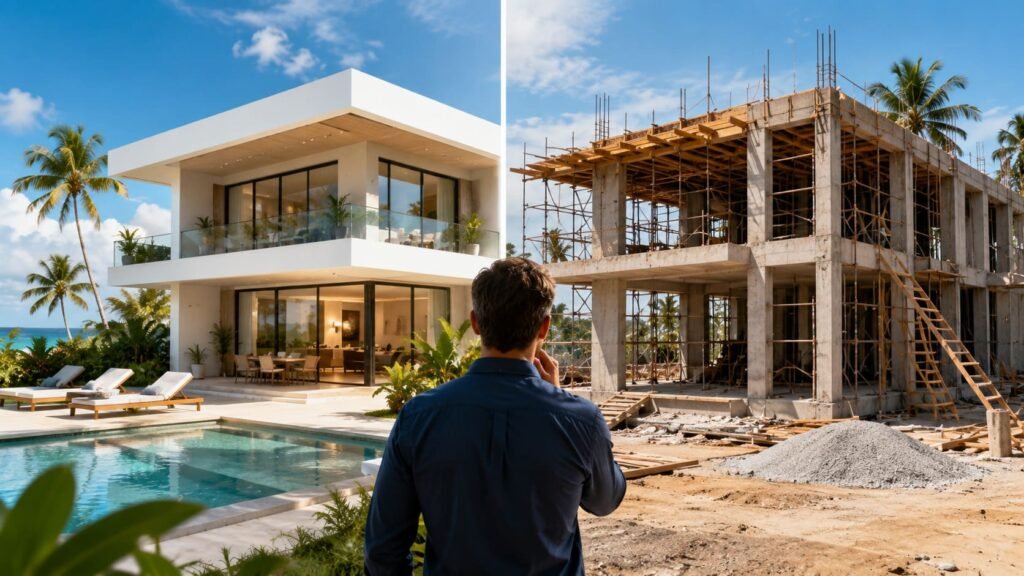
AI has changed this dynamic. Today it is possible to generate, modify and compare multiple versions of a concept in a matter of hours, allowing the architect to explore more possibilities before committing to a specific direction.
This process does not eliminate human creativity, but rather enhances it by freeing up mental and operational time to focus on strategy, spatial criteria and project coherence.
Training in Mexico: why we put it into practice
For AI to bring real value in architecture, it is not enough to ‘try tools’: methodology, criteria and a clear workflow are needed. Sergio Manes, a reference in AI applied to architecture and creator of training content widely consulted by professionals in the sector.
That training reinforced a key approach: AI accelerates the conceptual phase and improves communication with the client, but always under the direction and responsibility of the architect.
A new way of thinking about design
The relationship between architect and artificial intelligence is more like a conversation than an automated command. AI allows for questioning, refining, correcting and evolving ideas, generating a continuous dialogue between intuition and analysis.
This produces a more conscious design process, where decisions are not made by inertia but by informed comparison between alternatives.
Better communication with the customer
One of the biggest changes occurs in the relationship with the customer. In the past, the customer had to imagine technical drawings and rely on representations that did not always convey the final result.
Today, early visualization allows the client to understand, give their opinion and make decisions with greater certainty from the beginning. This reduces conflicts, late changes and frustrations at later stages of the project.
Impact on the profession
Architecture is becoming more collaborative, more transparent, and more accessible to non-technicians. This does not reduce the value of the architect, but rather repositions him or her as strategist, curator, and critical decision-maker.
AI does not replace professional judgment: it makes it more visible and more relevant.
Where AI architecture is headed
The trend is towards faster, more visual and more integrated processes. AI will increasingly dominate the conceptual and communication stage, while technical, regulatory and constructive development will continue to depend on specialized human knowledge.
The architecture of the future will not be less professional, but clearer, more informed and better explained.
Architecture, innovation and development in practice
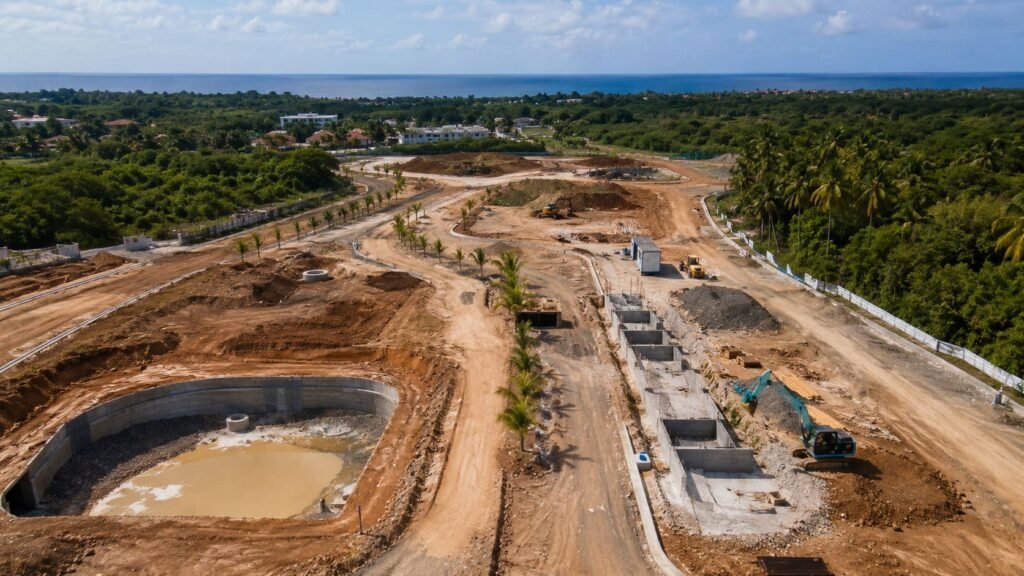
At All Project Group SRL we apply these new ways of thinking and communicating architecture within a comprehensive approach that combines design, real estate development, construction and permit management in the Dominican Republic.
Our work is focused on transforming good ideas into real projects, well planned and properly executed, accompanying our clients from the initial concept to the final delivery.
Find out more about our services and ongoing projects at https://allprojectgroup.com