
Property ownership in the Dominican Republic is generally secure, but concerns about unauthorized occupation are common among both local and foreign investors. Understanding how illegal occupation Dominican Republic laws work is essential to protect your investment and avoid costly legal issues.
Unlike some countries where occupation laws are ambiguous, illegal occupation Dominican Republic is clearly defined as a criminal offense. However, while the law strongly protects property owners, the process of removing occupants must follow specific legal procedures.
This article explains what illegal occupation Dominican Republic means, how the legal system handles these situations, and what property owners can do to prevent and resolve them.

Is illegal occupation legal in the Dominican Republic?
A common question among investors is whether occupying someone else’s property can ever be legal. The answer is clear: illegal occupation Dominican Republic is not legal and is treated as a criminal act.
The law establishes that entering or remaining on private property without the owner’s consent constitutes a violation of property rights. This applies to both urban and rural properties, including land, houses, and development sites.
Despite this clear legal framework, misunderstandings often arise due to confusion with long-term possession or informal settlements. However, these situations are not the same as illegal occupation Dominican Republic, which is considered an offense subject to penalties.
What the law says about illegal occupation
The legal framework surrounding illegal occupation Dominican Republic includes criminal penalties and enforcement measures.
Individuals who occupy property without authorization may face fines and imprisonment. Authorities have the power to intervene and remove occupants through a formal legal process.
It is important to understand that illegal occupation Dominican Republic is not a civil dispute in its initial stage. It is treated as a criminal matter, which allows property owners to seek assistance from law enforcement and legal authorities.
However, even though the law is clear, enforcement requires proper documentation and adherence to legal procedures.
Can someone take your property by occupying it?
One of the biggest fears among property buyers is losing ownership through occupation. In most cases, illegal occupation Dominican Republic does not transfer ownership rights to the occupant.
Ownership is protected by registered property titles. As long as the property is properly registered, the owner maintains legal rights regardless of temporary occupation.
However, complications may arise if the property lacks proper registration or clear boundaries. In such cases, disputes may become more complex and require court intervention.
This is why maintaining clear documentation is essential when dealing with illegal occupation Dominican Republic situations.
Legal process to remove an illegal occupant
Removing occupants requires following a legal process. Even though illegal occupation Dominican Republic is a criminal offense, property owners cannot remove occupants by force.
The process generally includes:
- Filing a legal complaint
- Presenting proof of ownership
- Requesting intervention from the authorities
- Issuing a formal eviction notice
- Executing the eviction with legal supervision
Authorities typically require a short notification period before enforcement. Once the process is completed, law enforcement can proceed with the removal.
Understanding this process is critical when dealing with illegal occupation Dominican Republic, as acting outside the legal framework can create additional legal risks.
How long does eviction take?
The timeline for resolving illegal occupation Dominican Republic cases can vary depending on several factors.
If the property has a clear title and documentation, the process can move relatively quickly. In straightforward cases, eviction may occur within a few weeks after legal action begins.
However, if there are disputes over ownership, unclear documentation, or resistance from occupants, the process may take longer.
Delays are often linked to legal complexities rather than the concept of illegal occupation Dominican Republic itself.
Common risks for property owners
While the legal system protects property rights, certain risks can increase the likelihood of encountering illegal occupation Dominican Republic issues.
One major risk is purchasing land without proper title verification. Properties without clear legal status are more vulnerable to disputes and unauthorized use.
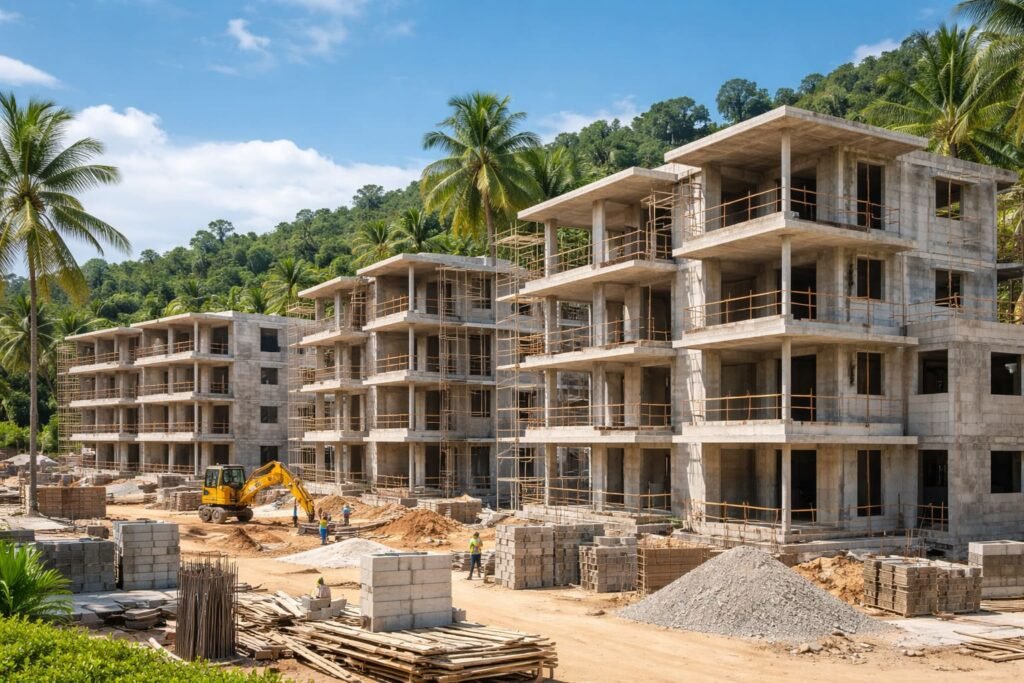
Another risk is leaving properties unattended for long periods, especially in remote or undeveloped areas. Vacant land and unfinished projects can attract occupation attempts.
Poor boundary definition and lack of physical security measures can also contribute to illegal occupation Dominican Republic situations.
Understanding these risks helps property owners take preventive action.
How to protect your property
Preventing illegal occupation Dominican Republic situations is far easier than resolving them.
Property owners should ensure that all legal documentation is complete and properly registered. A clear title is the strongest protection against disputes.
Regular inspections of the property can discourage unauthorized occupation. Hiring local property management services can help monitor the site, especially for foreign owners.
Basic security measures such as fencing, signage, and controlled access can also reduce risk.
Taking these steps significantly lowers the chances of facing illegal occupation Dominican Republic problems.
Final thoughts
Property ownership in the Dominican Republic is supported by a strong legal framework. While concerns about unauthorized occupation are understandable, illegal occupation Dominican Republic is clearly defined as a criminal act, and property owners have legal mechanisms to resolve these situations.
The key to avoiding problems lies in preparation. Proper documentation, regular oversight, and professional guidance can prevent most issues before they arise.
For investors and property owners in Las Terrenas, understanding illegal occupation Dominican Republic laws is part of making informed real estate decisions.
If you are considering buying, developing, or managing property in the area, you can explore current projects and learn more about real estate opportunities by visiting the All Project Group main website, where you can discover their active developments and approach to construction and investment in the Dominican Republic.