
Owning property in a tropical destination offers incredible advantages: warm weather, beautiful landscapes, and a relaxed lifestyle. However, tropical environments also create unique challenges for homeowners. Understanding home maintenance in tropical climate conditions is essential to protect both the structure of a house and its long-term value.
Unlike homes in temperate regions, houses in tropical and coastal areas are constantly exposed to humidity, salt air, intense sunlight, and seasonal storms. Without a consistent maintenance strategy, these environmental factors can accelerate wear on roofs, metal components, exterior finishes, and mechanical systems.
For homeowners and investors, adopting a proactive approach to home maintenance in tropical climate environments can significantly reduce long-term repair costs. By understanding the key risks and implementing preventive maintenance, property owners can keep their homes comfortable, durable, and resilient throughout the year.
Why homes deteriorate faster in tropical climates
One of the most important aspects of home maintenance in tropical climate environments is understanding why properties require more attention than homes in other regions.
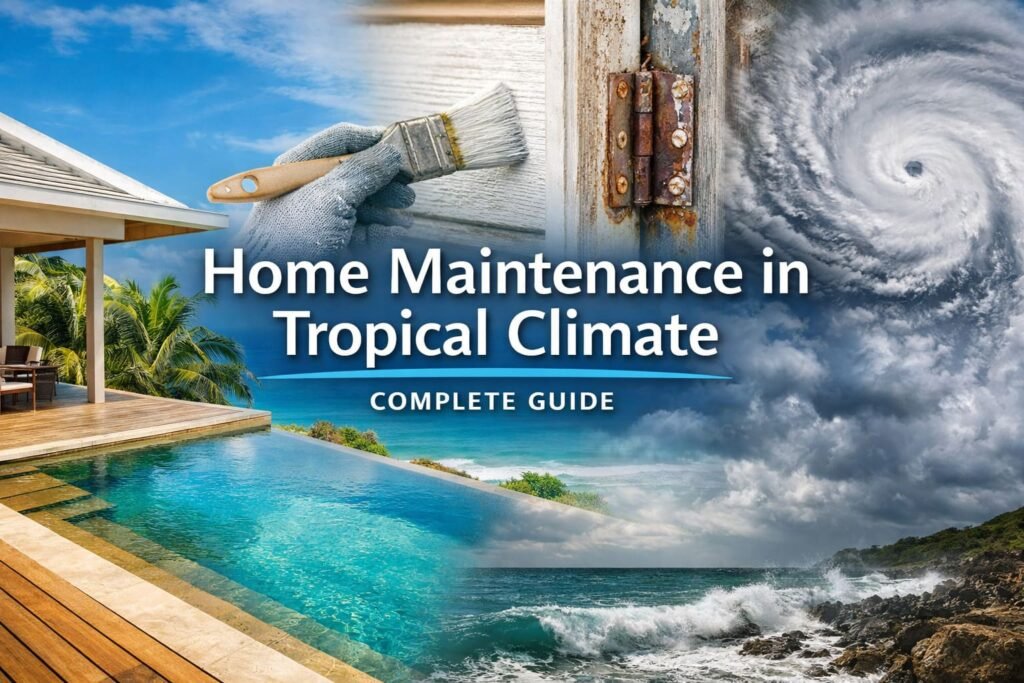
Tropical climates create conditions that accelerate deterioration. High humidity levels promote mold growth, while warm temperatures and frequent rain increase moisture exposure. When moisture penetrates building materials, it can affect paint, wood, insulation, and even structural components.
Salt air in coastal areas is another major factor. Sea air carries microscopic salt particles that settle on surfaces and gradually corrode metal components such as railings, hinges, screws, and outdoor fixtures. Without regular cleaning and protective coatings, corrosion can spread quickly.
Sun exposure is also more intense in tropical regions. Strong ultraviolet radiation degrades paints, sealants, and some plastics much faster than in cooler climates. As a result, exterior finishes often need more frequent inspection and renewal.
Understanding these environmental pressures helps homeowners develop a smarter strategy for home maintenance in tropical climate settings.
The most important areas to inspect regularly
A successful maintenance routine focuses on the parts of the house that experience the most environmental stress. Regular inspections are one of the most effective strategies for home maintenance in tropical climate environments.
Roof and waterproofing
The roof is the first line of defense against heavy rain and humidity. Even small leaks can allow water to enter the structure and create mold or structural damage over time.
Roof inspections should include checking waterproof membranes, flashing, roof tiles, and drainage systems. Cleaning gutters and ensuring water flows away from the structure are also essential parts of home maintenance in tropical climate environments.
Exterior walls and paint
Exterior finishes face constant exposure to sun, rain, and humidity. Cracks, peeling paint, or damaged sealants can allow moisture to enter the building envelope.
Repainting or resealing exterior surfaces when necessary is a critical preventive measure in home maintenance in tropical climate conditions.
Windows, doors and hardware
Salt air and humidity can affect hinges, locks, frames, and sliding systems. These components should be inspected periodically, cleaned, and lubricated to prevent corrosion.
Regular care of these elements improves both performance and durability in home maintenance in tropical climate environments.
Drainage and outdoor areas
Drainage systems must remain clear to prevent water accumulation near foundations or outdoor living spaces. Blocked drains or poor grading can lead to flooding during heavy rains.
Managing water flow around the property is a fundamental part of home maintenance in tropical climate maintenance planning.
How to control humidity and prevent mold
Humidity control is one of the most important aspects of home maintenance in tropical climate environments. Persistent moisture can lead to mold growth, unpleasant odors, and deterioration of interior finishes.
Proper ventilation is essential. Cross-ventilation allows air to circulate naturally through the house, helping reduce humidity levels. Exhaust fans in kitchens and bathrooms also help remove moisture generated by daily activities.
Air conditioning systems play an important role in humidity control as well. Regular servicing of HVAC systems ensures that filters, drainage lines, and internal components remain clean and effective.
Closets, storage rooms, and rarely used areas should also be inspected periodically. These spaces often have less airflow and can develop mold if moisture accumulates.
By maintaining ventilation systems and monitoring moisture levels, homeowners can significantly improve home maintenance in tropical climate conditions inside the home.
Protecting your home from salt air and corrosion
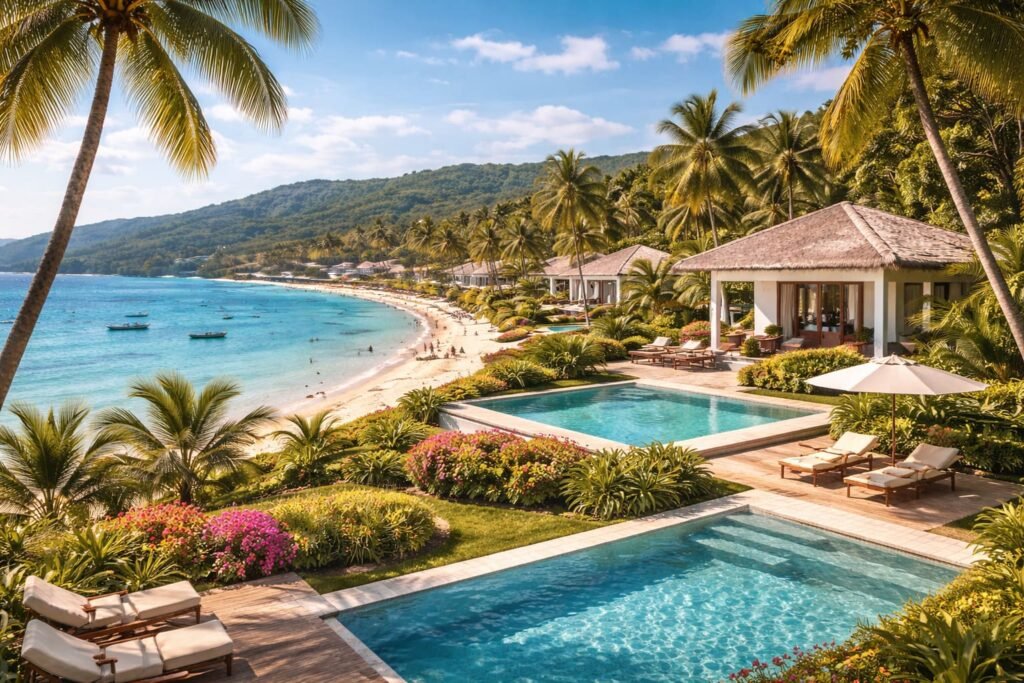
Salt air exposure is one of the most distinctive challenges of home maintenance in tropical climate environments, particularly for homes located near the ocean.
Salt particles carried by wind settle on surfaces and gradually break down protective coatings on metal components. Over time, corrosion can affect railings, gates, outdoor furniture, and even structural connectors.
Preventive maintenance includes regularly washing exposed surfaces with fresh water, especially metal railings or equipment near the coast. Applying protective coatings or corrosion-resistant finishes can further extend the life of these elements.
Hardware such as screws, hinges, and fasteners should also be inspected periodically. Replacing worn components early helps prevent more extensive damage.
These preventive actions are essential strategies for effective home maintenance in tropical climate environments, particularly in beachfront locations.
Seasonal maintenance checklist for tropical homes
Creating a seasonal maintenance routine can simplify home maintenance in tropical climate conditions and prevent small problems from becoming major repairs.
Monthly inspections
Check humidity levels inside the house, especially in bathrooms, closets, and storage areas. Inspect visible metal fixtures for early signs of corrosion and clean outdoor surfaces exposed to salt air.
Every three to six months
Inspect the roof, waterproofing systems, and exterior paint. Clean gutters and drainage channels to ensure proper water flow during heavy rain. Service air-conditioning systems and replace filters when necessary.
Before storm season
Storm preparation is a key part of home maintenance in tropical climate environments. Secure outdoor furniture, inspect roof connections, and verify that shutters or storm protection systems are ready.
These preventive actions reduce the risk of damage during severe weather events.
Common maintenance mistakes homeowners make
Many homeowners underestimate the importance of consistent maintenance. Avoiding these common mistakes is an essential part of home maintenance in tropical climate management.
One common mistake is waiting until visible damage appears before taking action. Small leaks or minor corrosion can quickly become expensive problems if left untreated.
Another frequent issue is using materials that are not designed for tropical conditions. Certain finishes and hardware deteriorate much faster when exposed to humidity and salt air.
Homeowners who leave their property closed for long periods without inspections may also experience humidity buildup or mold growth. Regular visits or professional maintenance services can prevent these issues.
Understanding these risks helps property owners maintain a reliable home maintenance in tropical climate routine that protects their investment.
Final thoughts
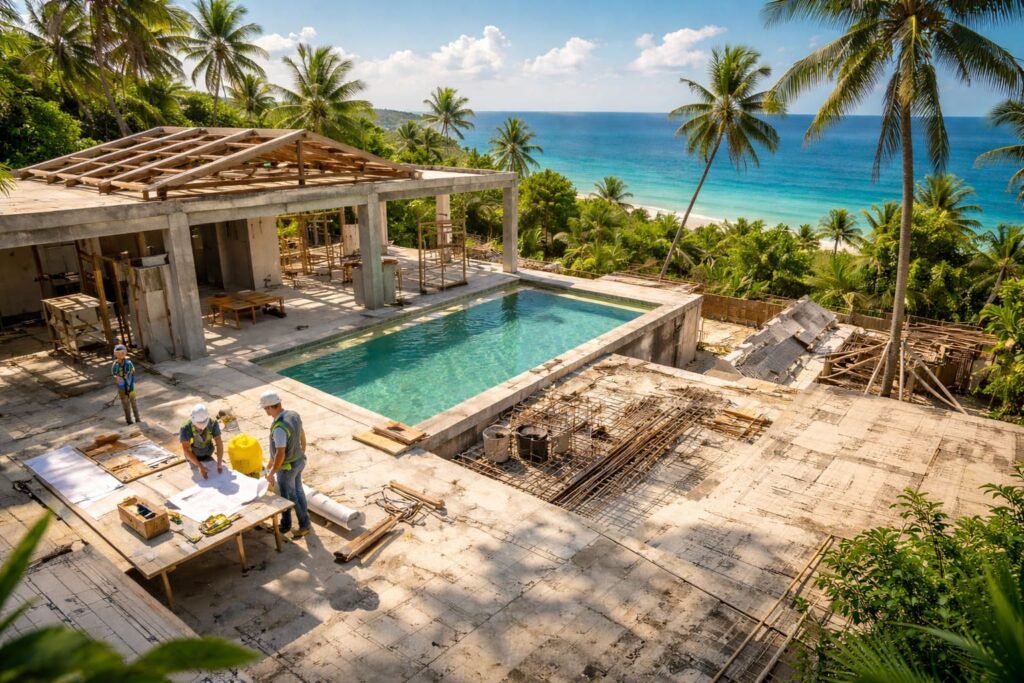
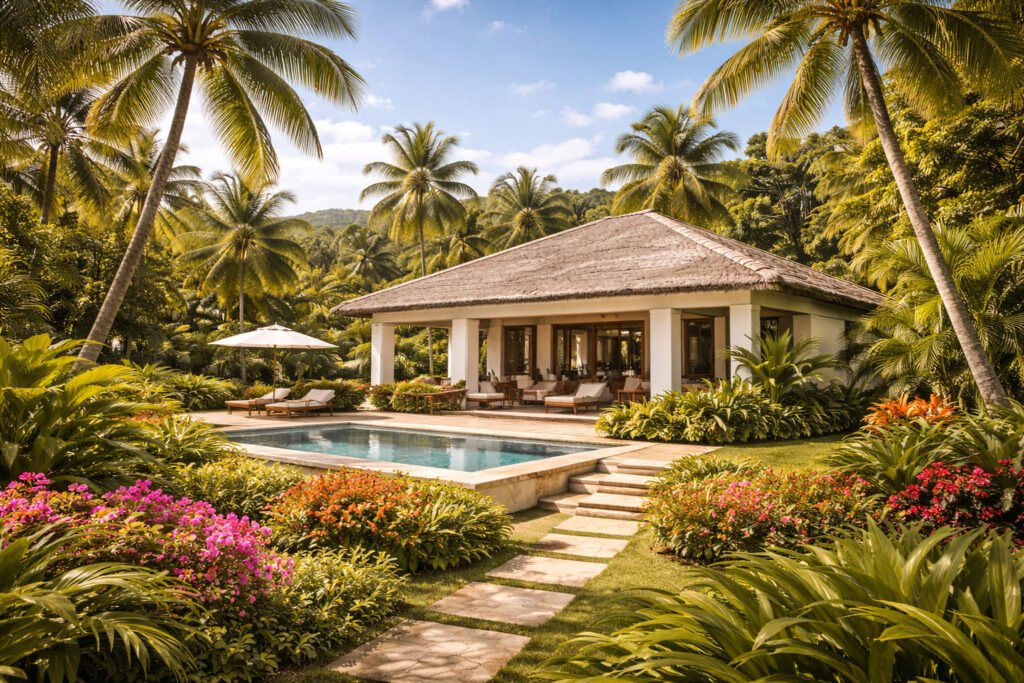
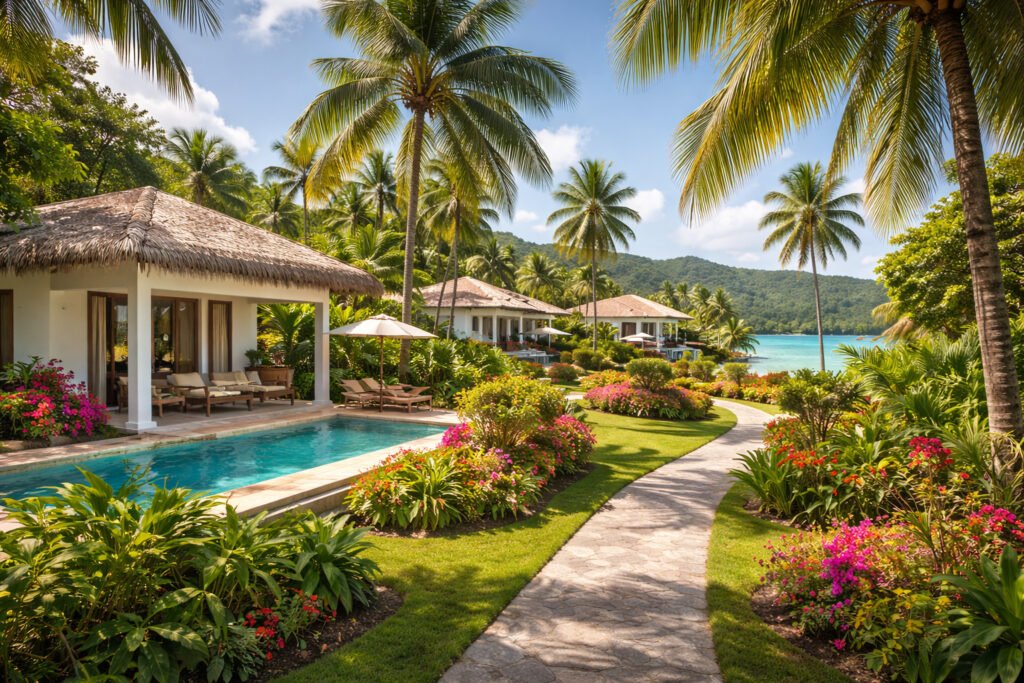
Maintaining a home in the Caribbean becomes much easier when the property is designed and built with tropical conditions in mind from the beginning. Architecture, materials, drainage systems, and ventilation strategies all play a crucial role in reducing long-term maintenance and improving durability in humid and coastal environments.
If you are planning to build a villa or residential project in Las Terrenas, working with a team experienced in tropical construction can make a significant difference. Learn more about our construction and architecture services and how we design homes adapted to the Caribbean climate.