
Rainwater harvesting in homes has become an increasingly relevant solution in tropical countries such as the Dominican Republic, where rainfall is frequent but constant access to quality drinking water is not always guaranteed. Beyond the economic savings, this system represents a sustainable alternative that improves the autonomy of a home and reduces environmental impact.
In areas such as Las Terrenas, Samaná or rural and coastal areas, rainwater harvesting in houses can be easily integrated from the design stage or adapted to houses already built, as long as it is done with adequate technical criteria.
What is rainwater harvesting in homes?
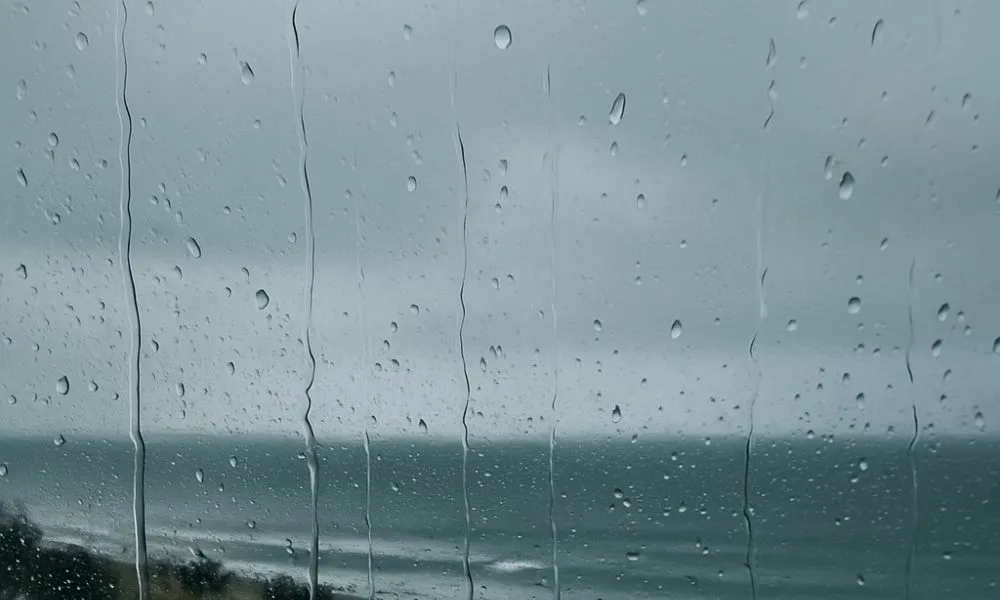
Rainwater harvesting in homes is a system that collects, conducts, stores and, in some cases, treats the water that falls on roofs and impermeable surfaces for subsequent domestic use.
This type of system is not necessarily intended to completely replace the traditional supply, but to complement it for uses such as:
- garden irrigation
- external cleaning
- filling of cisterns and swimming pools
- toilet flushing
- washing of floors and vehicles
With proper treatment, it can also be used for human consumption, although this requires filters and stricter controls.
Why it is especially useful in the Dominican Republic
Rainwater harvesting in homes is particularly effective in tropical climates due to several factors:
- high rainfall throughout most of the year
- heavy rainy seasons
- occasional interruptions of public supply
- high costs of bottled water or transportation in remote areas
- growing awareness of sustainability
In regions such as Las Terrenas, where many homes are detached villas, implementing rainwater harvesting in homes can significantly reduce dependence on tanker trucks or expensive private systems.
Basic components of a catchment system
A functional residential rainwater harvesting system consists of several key elements:
Catchment area
Generally the roof. The most recommended materials are:
- metal plates
- well-sealed concrete slabs
- synthetic shingles
The use of contaminating surfaces or surfaces with toxic paints should be avoided.
2. Gutters and downspouts
They carry water from the roof to the filtering system. They must be kept clean and designed to withstand heavy rains.
3. Initial filters
They retain leaves, sand and coarse debris. They are essential to protect the system and improve water quality.
4. Storage
Tanks, cisterns or subway reservoirs where water is accumulated. The size will depend on consumption and catchment area.
5. Optional treatment
More advanced rainwater harvesting systems in homes incorporate activated carbon filters, UV rays or reverse osmosis.
Recommended uses of water withdrawn
Not all rainwater harvesting in homes is intended for the same purpose. The most common is to separate uses:
- Non-potable use: irrigation, cleaning, toilets, swimming pools.
- Potable use: only with certified filtration and disinfection.
This separation maximizes savings without compromising health.
Advantages of rainwater harvesting in homes
Implementing a well-designed system offers clear benefits:
- reduction of potable water consumption
- savings on invoices and supply costs
- greater independence from service outages
- lower environmental impact
- property valuation
- ideal solution for sustainable housing
In new projects, rainwater harvesting in housing can be integrated from the architectural design, optimizing space and costs.
Common mistakes to avoid
Some common errors can cause the system to fail:
- not cleaning gutters and filters regularly
- using uncapped or poorly sealed tanks
- storing water without mosquito protection
- undersizing storage capacity
- install the system without technical advice
Poorly designed rainwater harvesting in homes can generate more problems than benefits.
Integration in new projects and existing housing
In new projects, rainwater harvesting in houses can be incorporated in an aesthetic and efficient way, hiding tanks and designing adequate roof slopes.
In houses already built, it is also possible to adapt the system by means of:
- installation of additional channels
- modular tanks
- compact filter systems
In both cases, professional support is key to ensure lasting results.
Sustainability and real estate value
More and more buyers and investors value homes with sustainable solutions. Rainwater harvesting in homes not only reduces operating costs, but also improves the project’s green image and its attractiveness in the real estate market.
In tourist areas, this type of system is also well received by environmentally conscious guests.
All Project Group SRL and efficient housing construction
At All Project Group SRL, we integrate sustainable solutions such as rainwater harvesting in housing within architecture and construction projects in Las Terrenas and other areas of the Dominican Republic.
Our approach combines smart design, water efficiency and regulatory compliance to create durable, functional, tropical climate-adapted homes.
👉 Learn more about our construction and development services at:
https://allprojectgroup.com